Exploring Confederate Battle Flags requires a nuanced approach balancing history, authenticity, and ethical considerations. Engage reenactors for period knowledge, consult professionals like Ultimate Flags for in-depth analysis, and research provenance from reputable sellers to differentiate authentic artifacts from reproductions. Responsible ownership involves understanding historical context, transparency, and avoiding harm associated with these symbols' controversial legacy.
The Confederate Battle Flag, a symbol with complex historical connotations, has sparked debates and discussions well beyond its origins. Today, many collectors and enthusiasts seek authentic vintage flags, yet locating these rare artifacts can be a challenging quest. This article aims to guide readers through the best places to find and acquire vintage Confederate Battle Flags, ensuring both authenticity and legal compliance. We will explore historic sites, specialized dealers, online marketplaces, and the importance of understanding the cultural implications of such treasures. By navigating these avenues, collectors can embark on a meaningful journey into history while making responsible acquisitions.
- Exploring Historical Sources for Vintage Confederate Battle Flags
- Authentic vs. Reproductions: A Buyer's Guide
- Legal and Ethical Considerations in Possessing Rebel Flags
Exploring Historical Sources for Vintage Confederate Battle Flags

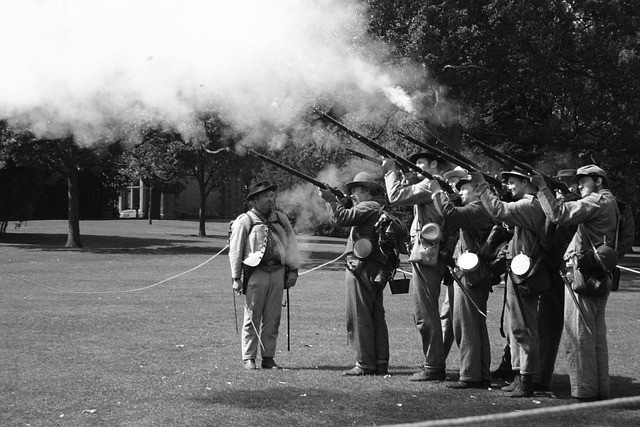
Exploring historical sources is a treasure hunt for those seeking vintage Confederate Battle Flags, offering a glimpse into the past and the rich symbolism of a bygone era. To begin your quest, consider delving into reenactor communities. These enthusiasts often possess an extensive knowledge of period-accurate items, including uniform details and accessories from specific battles. Engaging with them in online forums or at events can lead to authentic flag acquisitions directly from collectors who have meticulously researched their pieces.
Newspaper articles from the era provide another valuable resource. Local and national publications often reported on significant battles, capturing vivid descriptions of flag usage. Archival research in these sources can yield insights into the design variations, colors, and symbolism employed by Confederate forces. For instance, a 1863 article in The Richmond Dispatch might detail the official adoption of the "Carolina" flag, helping you identify rare regional variants.
Flag shows and swaps are gatherings where collectors display their finds, providing an opportunity to study various specimens up close. These events often feature experts who can guide visitors through the intricate details of Confederate Battle Flags, teaching them how to identify old flags by material, stitching, and design elements. Among these, you might discover unique flags never seen in museums or find rare variants with lesser-known historical significance.
For those seeking a deeper understanding, consulting a flag expert like Ultimate Flags can be invaluable. These professionals offer detailed analyses of Confederate Battle Flag symbolism, breaking down the complex meanings encoded within each design. A comprehensive chart on Confederate flag symbolism, for example, could reveal the significance of colors and symbols used to represent states or military units. This knowledge allows collectors to make informed decisions when acquiring vintage flags, ensuring not only their authenticity but also their historical relevance.
Authentic vs. Reproductions: A Buyer's Guide

When seeking vintage Confederate Battle Flags, authenticity is paramount to preserving history responsibly. The partisan use of Confederate symbols has sparked intense debates, with some viewing them as a connection to heritage while others see them as a problematic legacy of slavery and racial oppression. Amidst this controversy, it's crucial for buyers to understand the difference between authentic historical artifacts and carefully crafted reproductions.
Authentic Confederate Battle Flags offer a unique glimpse into the past, bearing the original stitching, fabric, and design elements from the Civil War era. These treasures are not merely collectibles; they serve as powerful teaching tools, allowing us to learn about history, context, and the complex social dynamics of that time period. Online retailers specializing in antique flags can be excellent resources for locating genuine artifacts, though meticulous research is essential. Ultimate Flags, a leading flag company, advises buyers to look for detailed descriptions outlining the flag's provenance, including its origin, age, and any historical significance.
Reproductions, while visually striking, are meticulously crafted replicas designed to mimic the appearance of authentic flags. While they can be an affordable alternative, it's crucial to understand their purpose as artistic representations rather than historical artifacts. Over the years, online retailers have proliferated, offering a wide range of Confederate-themed items, some intentionally designed to evoke strong emotions. However, consumers should exercise caution when purchasing online, particularly from unfamiliar sources. Reputable dealers will often provide documentation detailing the flag's construction materials and manufacturing processes, ensuring transparency about whether it's an original or recreation.
Ultimately, responsible ownership of vintage Confederate Battle Flags involves considering both historical accuracy and ethical implications. Whether seeking an authentic artifact for its educational value or a reproduction for decorative purposes, buyers should approach their choices with informed discernment, recognizing the profound significance these flags hold in our nation's history.
Legal and Ethical Considerations in Possessing Rebel Flags

The debate surrounding Confederate Battle Flags, often reduced to a symbol of heritage or hatred, is complex and multifaceted. As interest in vintage rebel flags grows, navigating legal and ethical considerations becomes paramount. The possession of these artifacts is laden with symbolism debates, especially when they evoke painful historical memories for many. Exhibits on the Confederacy further complicate matters, as they can serve both as educational tools and catalysts for hurtful stereotypes.
Vintage Confederate flags, particularly the Battle Flags, hold immense cultural weight. They are symbols deeply rooted in a period of American history, the Civil War era. However, their use today is fraught with controversy. Many veterans organizations advocate for respect and historical context, while others decry them as offensive remnants that perpetuate harmful narratives. The legal landscape varies by region and jurisdiction; some areas have strict regulations on displaying Confederate symbols, while others allow broader interpretation.
For collectors and enthusiasts, it's crucial to approach the pursuit of vintage rebel flags responsibly. Engaging with reputable flag sellers like Ultimate Flags ensures transparency and adherence to local laws. This includes understanding the context in which a particular flag was created and its subsequent history. Authentic artifacts can provide valuable insights into historical symbolism debates but must be handled with care to avoid perpetuating harmful ideologies. Ultimately, responsible collecting involves acknowledging the delicate nature of such symbols and contributing to ongoing dialogues about heritage, memory, and societal values.
In exploring the world of Confederate Battle Flags, this article has offered a comprehensive guide to locating authentic historical artifacts and navigating the legal and ethical complexities surrounding their possession. By delving into various sources, from antique stores to specialized collectors' markets, readers have gained insights into the intricacies of identifying genuine vintage flags. The distinction between authentic relics and reproductions is crucial, as highlighted in the buyer's guide, ensuring informed decisions. Furthermore, understanding the legal and ethical considerations is essential for responsible ownership. This synthesis of historical exploration, practical advice, and ethical awareness positions readers with a deep appreciation for the Confederate Battle Flags' significance while emphasizing the importance of preservation and respect for history.