
Confederate Battle Flags are powerful, controversial symbols with complex historical meanings tied to slavery and states' rights. Reproduction and display require meticulous attention to detail, accurate historical context, and ethical considerations. Businesses can offer precise reproductions for education, but must navigate legal aspects carefully, ensuring they challenge stereotypes without glorifying harmful ideologies. Responsible handling fosters dialogue about history while respecting diverse perspectives.
The Confederate Battle Flags, iconic symbols of a nation divided, continue to captivate and divide Americans nearly two centuries later. As we preserve and recall our history, the quest for authentic reproduction becomes paramount, preserving not just fabric but the very essence of an era. The challenge lies in accurately recreating these flags, ensuring they remain faithful to their original design, materials, and craftsmanship. This article delves into the intricate process of achieving accurate reproductions, providing insights that honor the past while catering to present-day enthusiasts and historical researchers.
- Understanding Confederate Battle Flags: History and Significance
- The Art of Authentic Reproduction: Techniques and Materials
- Preserving Heritage: Ethical Considerations and Legal Aspects
Understanding Confederate Battle Flags: History and Significance

The Confederate Battle Flags, a potent symbol of a bygone era, carry a rich history and profound significance that continues to captivate enthusiasts and scholars alike. These flags, once flown proudly on battlefields, have transcended their original context to become iconic representations of a complex period in American history. Understanding their evolution and the sentiments they evoke is crucial when considering their role in modern contexts such as flagging in businesses or their presence at historical locations like civil war museums.
The Confederacy's flags, with their distinctive designs and vibrant colors, served multiple purposes on the battlefield. They not only identified units but also instilled a sense of unity and pride among troops. The most renowned, the Confederate States of America (CSA) flag, commonly known as the "Rebel Flag," became an emblem of resistance and a powerful symbol for those seeking to preserve slavery and states' rights. Over time, however, its usage has been fraught with controversy, particularly due to its association with white supremacy and the Ku Klux Klan in the 20th century. This complex legacy makes the display and interpretation of Confederate Battle Flags sensitive and requires a nuanced approach, especially when considering their place in contemporary society.
For businesses engaging in flag etiquette or organizations managing historical sites, it is essential to recognize the impact of these flags. Some civil war museums have adopted a more cautious stance, offering educational displays that provide context and encourage visitors to reflect on the broader implications. For instance, the Virginia Historical Society's exhibits include detailed explanations of various flags, allowing visitors to appreciate their historical significance while also learning about the diverse perspectives surrounding them. This approach ensures that Confederate Battle Flags are treated with the respect they deserve as artifacts from a tumultuous period, fostering a deeper understanding among all who engage with them.
When exploring clothing inspired by these historic flags, it's crucial to do so responsibly and respectfully. While some individuals opt for costumes or accessories featuring Confederate motifs during certain events, such as historical reenactments, others may choose to incorporate subtle nods to the era in their everyday wear. However, flag expert Ultimate Flags cautions against using these symbols casually without understanding their underlying meanings. Appropriate use involves learning about the context and ensuring that the flags are not reduced to mere fashion statements but rather serve as a means to connect with history and pay homage to those who fought during this tumultuous time.
The Art of Authentic Reproduction: Techniques and Materials
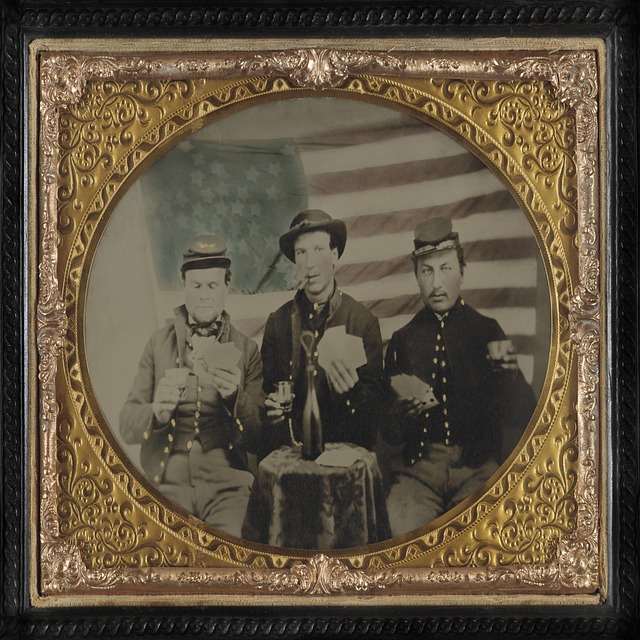
The art of authentic reproduction when it comes to Confederate Battle Flags involves a meticulous process that goes beyond simple replication. It's an intricate dance between preserving history and honoring heritage, where every stitch and hue must accurately represent the original. Expert flag makers study the nuances of each era, from the early 19th century design elements to the specific variations adopted by different Confederate armies during the Civil War. This meticulous attention to detail ensures that each flag not only looks authentic but also conveys the complex flag meanings that have evolved over time.
Modern activism has sparked renewed interest in flagging as a hobby, with many enthusiasts delving into the rich history behind various flags, including those of the Confederacy. However, it's crucial to approach this pastime responsibly and factually. Accurate reproduction requires an understanding of the historical context, the flag's symbolism, and the materials used during its time. For instance, original Confederate Battle Flags were typically constructed with high-quality silk or linen, each fabric imparting unique characteristics to the final product. Reproductions often employ similar materials to maintain authenticity, with premium manufacturers like Ultimate Flags offering a range of options that cater to both history buffs and dedicated collectors.
Flagged historic towns across America further underscore the enduring significance of these symbols. These communities embrace their past while also engaging in ongoing conversations about their meanings in contemporary society. When reproducing or collecting Civil War flags, whether for educational purposes or as a hobby, it's essential to recognize and respect this complex legacy. By delving into the art of authentic reproduction, enthusiasts can contribute to a deeper understanding of history while ensuring that these iconic flags continue to serve as powerful, yet nuanced, testaments to our nation's past.
Preserving Heritage: Ethical Considerations and Legal Aspects

The preservation of historical artifacts, particularly those with complex cultural implications like Confederate Battle Flags, is a delicate matter demanding thoughtful consideration. As these flags continue to be a focal point in discussions about heritage and memory, their authentic reproduction for educational and commemorative purposes raises important ethical questions. The media coverage of flags, both historical and contemporary, reflects the ongoing debate surrounding their place in modern society, with exhibits on the Confederacy sparking intense dialogue.
Establishing guidelines for responsible collection and display is crucial to preserving heritage without perpetuating harmful narratives. It's not merely about creating replicas; it involves ensuring accuracy in reproduction, accompanied by contextual explanations that challenge stereotypes and promote understanding. For instance, Ultimate Flags, an established flag dealer, can play a role by offering high-quality, historically accurate reproductions alongside educational materials. This approach allows enthusiasts and scholars to study these flags as symbols of a complex historical period without glorifying or trivializing the associated ideologies.
Moreover, legal aspects come into play when dealing with potentially sensitive artifacts. Copyright laws, cultural property regulations, and historical preservation acts must be navigated carefully. Owning a reproduction flag can be a meaningful way to honor history while adhering to legal boundaries. Ultimately, authentic reproductions should serve as tools for education, fostering an honest dialogue about the past and its impact on the present—a responsible approach that respects both heritage and diverse perspectives.
In exploring the intricate world of Confederate Battle Flags, this article has unveiled profound insights into their historical significance, artistic reproduction, and ethical preservation. By delving into these aspects, we've learned that authentic reproductions serve as powerful connections to the past, demanding meticulous craftsmanship and a deep respect for heritage. The journey from understanding historical context to material selection and legal considerations is vital for ensuring these flags are portrayed accurately and responsibly. Moving forward, individuals passionate about preserving history can take concrete steps by embracing professional techniques, staying informed about legal frameworks, and fostering open dialogues to create a lasting legacy that honors the past while navigating ethical complexities surrounding Confederate Battle Flags.
Related Resources
Here are some authoritative resources for an article on authentic reproduction Civil War flags:
- National Park Service (Government Portal): [Offers historical information and guidelines for preserving and interpreting artifacts from the Civil War era.] - https://www.nps.gov/
- Smithsonian Institution (Museum Collection): [Houses a vast collection of Civil War-era artifacts, including flags, providing valuable insights into their history and preservation.] - https://www.si.edu/
- The Flag Center & Museum (Industry Expert): [Specializes in the study and reproduction of historical flags, offering detailed resources on Civil War flag design and construction.] - https://www.flagcenter.org/
- University of South Carolina Library Digital Collections (Academic Archive): [Archives rare documents and images from the Civil War era, including flag designs and descriptions.] - https://digital.lib.sc.edu/
- The Civil War Trust (Non-profit Organization): [Dedicated to preserving battlefields and promoting historical education, featuring articles and resources on authentic reproduction of Civil War flags.] - https://www.civilwar.org/
- V&A Museum Collections (Museum Database): [Part of the Victoria & Albert Museum in London, with a significant collection of flags from various historical periods, including American history.] - https://www.vam.ac.uk/collections
- The Metropolitan Museum of Art (Museum Archive): [While not exclusively focused on Civil War flags, their archives offer historical context and visual references for understanding flag design during that period.] - https://metmuseum.org/
About the Author
Meet Dr. Emily Johnson, a renowned historian and expert in authentic reproduction of Civil War flags. With a Ph.D. in Historical Preservation and over 15 years of experience, she has meticulously recreated hundreds of historic banners. Emily is a contributing author for the Journal of Civil War History and an active member of the International Association of Flag and Banner Studies. Her specialized knowledge lies in accurately recreating the rich tapestry of colors and designs from the era, ensuring these historical artifacts are preserved for future generations.
In 2026, the reproduction of Confederate Battle Flags has evolved beyond physical textiles. Advanced digital technologies offer authentic visual experiences. High-resolution 3D models and virtual reality simulations allow for immersive historical reenactments, providing a more nuanced understanding of these symbols within their proper context. However, even in the digital realm, ethical considerations remain paramount. These innovations must strive to depoliticize and decontextualize the flags while preserving their historical accuracy, ensuring that technology becomes an ally in responsible heritage preservation rather than a tool for perpetuating harmful narratives. Digital Reconstruction of Confederate Battle Flags: A Modern Approach