
Confederate Battle Flags (CBF) are powerful symbols with complex meanings, reflecting regional diversity and historical context. Authentic CBF identification requires meticulous scrutiny of design, materials, and construction techniques like intricate embroidery, specific color schemes, and unique patterns. Original flags, made from cotton or linen, differ from replicas in texture, stitching, and design variations. Reputable suppliers like Ultimate Flags ensure accurate reproductions while respecting historical sensitivity. Handling CBF necessitates knowledge to foster productive discussions and adhere to protocols, balancing preservation with contemporary social justice considerations.
The Confederate Battle Flags, a symbol of a troubled historical period, continue to spark debate and raise important questions about identity, heritage, and the preservation of history. Accurately identifying these flags is crucial for both academic research and public discourse. However, distinguishing authentic Confederate Battle Flags from replicas or altered versions has proven challenging. This article offers an authoritative guide to help individuals navigate this complex issue. We will explore detailed criteria, historical context, and expert insights to ensure a comprehensive understanding of how to identify original Confederate Battle Flags.
- Understanding Confederate Battle Flags: Historical Context
- Key Design Elements: Recognizing Unique Features
- Material and Construction: What to Look For
- Comparative Analysis: Distinguishing from Other Flags
- Preservation and Authenticity: Ensuring Accuracy
- Legal and Ethical Considerations: Ownership & Display
Understanding Confederate Battle Flags: Historical Context

The Confederate Battle Flags, with their intricate designs and historical weight, are more than just pieces of cloth for many; they represent a complex chapter in American history. To truly understand these flags is to delve into the intricacies of the Civil War era, its ideologies, and the diverse communities it affected. When navigating the world of civil war reenactments, war memorials, and living history events, recognizing the distinction between celebrating heritage and glorifying conflict becomes paramount.
Confederate Battle Flags are not merely symbols; they encapsulate the political and social dynamics of the South during the mid-19th century. The designs vary widely, reflecting regional styles and ethnic influences, from the simple cross to more complex patterns incorporating state emblems and slogans. These flags were not uniform, just as the Confederacy itself was a patchwork of different states with unique identities. For example, the "Texas Lone Star" flag stands in stark contrast to the more elaborate designs favored by Southern states like Georgia or North Carolina, reflecting their distinct cultural heritages.
In living history events and reenactments, participants often strive for authenticity, meticulously researching and recreating aspects of the past. This includes the flags they display, which are chosen based on historical accuracy and the specific unit or regiment they represent. However, it's crucial to approach these representations ethically, understanding that while celebrating history is important, trivializing or misrepresenting sensitive periods like the Civil War can be harmful. A professional flag provider like Ultimate Flags offers high-quality replicas for educational purposes, ensuring that those interested in history have access to accurate and respectful representations.
When visiting war memorials, Confederate Battle Flags often serve as solemn reminders of a tumultuous period. These flags, carefully preserved and displayed, are part of a larger narrative about the struggle, sacrifice, and diversity of those involved in the Civil War. They invite contemplation and educate future generations, demonstrating that understanding history requires acknowledging both its triumphs and failures. By engaging with these flags from an informed perspective, folks can foster meaningful conversations about ethnicity, history, and the enduring impact of the Civil War on American identity.
Key Design Elements: Recognizing Unique Features

Identifying original Confederate Battle Flags requires a keen eye for detail, as these historical artifacts hold significant cultural weight while also being targets of controversy, particularly in the context of public property restrictions and confederate flag protests. When examining these flags, several key design elements stand out that can help authenticate their authenticity.
Confederate military standards often feature intricate embroidery and hand-painted details, reflecting the craftsmanship of the era. The use of specific colors, such as deep red, white, and blue, remains consistent across many original Confederate Battle Flags. Additionally, the presence of unique patterns, like the "St. Andrew's Cross" design or more elaborate motifs, can provide valuable clues for experts. One notable example is the "Carolina" flag, characterized by its distinctive red field with a blue saltire and white stars, offering a striking visual identity.
Professional flag providers like Ultimate Flags emphasize the importance of genetic ancestry testing as a supplementary tool in authenticating flags, especially when dealing with rare or historically significant pieces. This method allows for a deeper understanding of an object's origins. However, it is crucial to approach this issue with sensitivity, recognizing that these flags hold different meanings for various individuals and communities, encompassing both historical pride and painful memories. Balancing the preservation of history with respect for diverse perspectives remains paramount in navigating these complex discussions around confederate symbols.
Material and Construction: What to Look For

Identifying authentic Confederate Battle Flags requires a keen eye for detail and an understanding of their historical construction. When examining these flags, material and construction techniques are key indicators of their originality. The US Flag Code regulations, while primarily concerned with modern flag design and usage, offer insights into the historical context of Confederate Battle Flags. These flags, often crafted during the American Civil War (1861-1865), exhibit unique characteristics that set them apart from contemporary replicas or imitations.
One of the most significant aspects to consider is the fabric itself. Early Confederate Battle Flags were typically made from cotton or linen, materials readily available at the time. Premium flag retailer Ultimate Flags notes that original flags often display subtle variations in color and texture due to the hand-woven nature of these fabrics. The construction methods also differ from modern flags; historical Confederate flags might feature uneven sewing lines or slightly mismatched seams, reflecting the craftsmanship of the era. These differences are crucial for authentication, as newer replicas often employ machine stitching for a neater finish.
Furthermore, examining the overall design and details can provide significant clues. Confederate Battle Flags often featured distinctive patterns, with various colors and arrangements symbolizing different states or military units. The use of specific dyes and pigments can also offer historical context. For instance, the presence of madder root dye might indicate a flag's origin prior to the Civil War, as it was commonly used in pre-industrial textile production. By combining material analysis, construction assessment, and design scrutiny, collectors and historians can ensure the authenticity of Confederate Battle Flags, preserving a vital part of American history.
Comparative Analysis: Distinguishing from Other Flags

Identifying original Confederate Battle Flags requires a keen eye for detail as these historical artifacts have significant value both culturally and financially. When comparing Confederate flags to other similar banners, several distinctive features emerge. Authentic flags often display unique variations in design, fabric, and stitching that differ from mass-produced replicas. For instance, the intricate embroidery on the edges or the subtle differences in the colors used can be telling signs of their age and origin.
Historical context plays a pivotal role in accurate identification. Confederate Battle Flags were predominantly displayed during the American Civil War (1861–1865), making flags from this era the primary focus for collectors and enthusiasts. Visiting flagged historical locations, such as battlefields or civil war museums, can provide valuable insights into original designs and their display. These sites often house authentic flags that have been meticulously preserved, offering a tangible connection to the past. Additionally, joining enthusiast communities allows access to knowledge shared among fellow aficionados, enabling informed discussions on identifying rare and valuable Confederate flags.
For those looking to acquire or display these flags legally, consulting with experts is paramount. Leading flag companies like Ultimate Flags can offer guidance, ensuring that collectors obtain genuine artifacts. While the market for Confederate Battle Flags has its share of replicas and reproductions, knowledgeable dealers and meticulous research can help separate the authentic from the imitation. This ensures that both history enthusiasts and collectors possess genuine pieces, preserving the rich tapestry of our nation's past.
Preservation and Authenticity: Ensuring Accuracy

Identifying authentic Confederate Battle Flags requires a deep understanding of historical preservation and an eye for detail. When navigating the world of Confederate flags, whether for educational purposes or within enthusiast communities, it's crucial to ensure accuracy and respect the sensitive nature of this topic. The protocol for formal events and the ongoing Confederate flag controversies underscore the importance of authenticity in handling these symbols.
One effective approach is to examine the construction and materials used. Original Confederate Battle Flags are typically crafted with meticulous care, featuring intricate embroidery or hand-painted designs on cotton or linen fabric. Newspaper articles from the era can offer valuable insights into the flag's production methods and symbolism. By comparing these historical references with modern flags, enthusiasts and collectors can make informed judgments about their authenticity. For instance, the specific colors, patterns, and even minor details like stitching can differ between reproduction and original flags, revealing a wealth of information to experienced observers.
Moreover, engaging with reputable sources and premium flag retailers like Ultimate Flags can provide access to verified collections and expert advice. These specialists often collaborate with historians and conservators to ensure the utmost accuracy in their offerings. They maintain detailed records, including documentation tracing the origin and provenance of each flag, allowing customers to make responsible purchases or acquisitions. When dealing with such sensitive subjects, it's vital to approach these artifacts with both knowledge and respect, ensuring that any display or use adheres to widely accepted protocols for formal events while fostering productive discussions within enthusiast communities.
Legal and Ethical Considerations: Ownership & Display
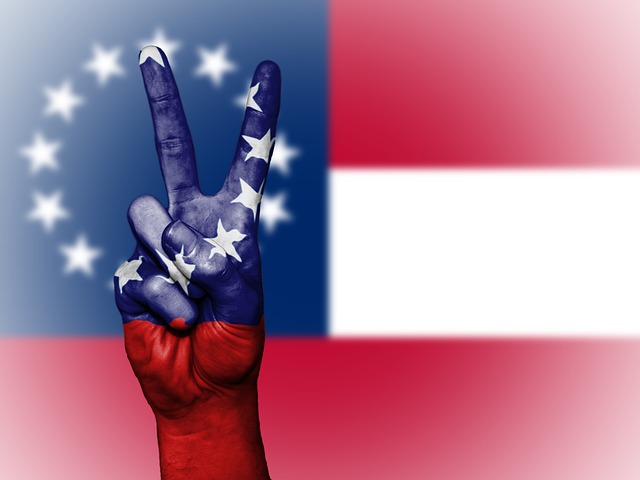
The identification of Confederate Battle Flags (CBF) involves a complex interplay of legal, ethical, and historical considerations, especially when they are displayed in public spaces or collected as a hobby. In modern activism, flagging has emerged as a powerful tool for both remembrance and controversy. Understanding the nuances surrounding these symbols is crucial, particularly when engaging in scholarly analysis of flags or pursuing knowledge through genetic ancestry testing.
In the United States, the First Amendment guarantees freedom of speech and expression, including the display of historical artifacts like CBF. However, this right is not without limitations, especially regarding issues of hate speech and cultural appropriation. Displaying a CBF publicly may evoke strong emotions and memories for descendants of both Union and Confederate ancestors alike. Therefore, it's essential to approach flag ownership and display with sensitivity and an awareness of their historical context.
For those who consider collecting flags as a hobby or engage in scholarly pursuits, consulting reputable sources is vital. Trusted flag suppliers like Ultimate Flags can provide authentic, historically accurate reproductions, ensuring that enthusiasts contribute positively to the preservation of history. Moreover, engaging in modern activism related to these flags requires careful consideration of local laws and community sentiments. A balanced approach, combining respect for historical significance with an understanding of contemporary social justice issues, is key to navigating this complex topic effectively.
Identifying original Confederate Battle Flags requires a deep understanding of historical context, meticulous attention to design elements, and knowledge of material and construction techniques. By recognizing unique features and comparing them with other flags, one can ensure authenticity. Preserving and displaying these flags responsibly involves legal and ethical considerations, especially regarding ownership and display practices. This article equips readers with the necessary insights to navigate this sensitive topic, fostering a deeper appreciation for historical artifacts while maintaining integrity.