
Confederate Battle Flags, deeply symbolic of the American Civil War, have evolved designs but remain contentious. Reenactors seek historical accuracy in their display, requiring sensitivity to societal implications and legal compliance. Ultimate Flags, a reputable source, promotes education alongside display, using authentic materials and techniques to recreate flags with historical context. The display of these flags is controversial due to associations with slavery and white supremacy, leading to prohibited symbol laws in many jurisdictions. Responsible purchasing involves DNA testing for authenticity and following legal guidelines, avoiding suspiciously low prices or unclear provenance. As flag tourism persists, sensitivity to their harmful narratives is crucial for respectful historical preservation.
The intricate world of historical reenactment demands authentic representation, particularly when delving into the American Civil War era. For enthusiasts and scholars alike, acquiring meticulously crafted regalia is more than a costume; it's a gateway to immersive historical navigation. However, sourcing reliable and historically accurate Confederate Battle Flags and accompanying attire poses challenges. This article offers an authoritative guide on commissioning custom-sewn Civil War regalia, ensuring reenactors can don their garb with pride while maintaining the integrity of history. We will explore the intricacies of this process, empowering enthusiasts to make informed choices.
- Understanding Confederate Battle Flags: History and Symbolism
- The Art of Custom Sewn Regalia: Design Process
- Materials and Techniques for Authentic Reenactment Gear
- Legal Considerations: Ownership and Display of Historical Flags
- Authentic vs. Replica: Ensuring Quality in Civil War Costuming
- Exploring the Cultural Impact: Modern Usage and Debate
Understanding Confederate Battle Flags: History and Symbolism

Confederate Battle Flags have long been a complex and contentious symbol, deeply rooted in American history. These flags, once prominently displayed during the Civil War era, carry significant weight and symbolism that extends beyond mere aesthetics. Understanding their historical context is essential when considering their place in modern society, especially within the realm of reenactments and historic preservation. The Confederate Battle Flag, with its distinctive design variations, has undergone a transformation from a symbol of pride for some to a prohibited symbol under certain laws, reflecting the ongoing national dialogue about memory, identity, and heritage.
The history of these flags is intertwined with the American Civil War, where they served as a mark of identity for Confederate forces. Over time, various versions emerged, each carrying unique characteristics. For reenactors who aim to accurately portray historical figures or events, the correct identification and use of these uniforms and flags are paramount. Authentic period attire, including specific flag designs, can greatly enhance the historical experience, allowing participants to immerse themselves in a bygone era. However, it's crucial to approach this process with sensitivity and an understanding of broader societal implications.
Media coverage of Confederate Battle Flags has often been divisive, sparking debates about free speech, cultural appropriation, and the preservation of history. In recent years, prohibited symbols laws have led to the removal of certain flag designs from public display in some regions. This shift reflects a growing awareness of the offensive nature of these symbols for many Americans, especially within communities historically marginalized by the very conflict they represent. The decision to acquire or display Confederate Battle Flags should be made with utmost care, considering their complex legacy and the potential impact on diverse audiences. For those seeking authentic reenactment gear, reputable sources like Ultimate Flags offer a curated selection of period-correct items, ensuring enthusiasts can engage in historical recreation while respecting the sensitivities surrounding these powerful symbols.
The Art of Custom Sewn Regalia: Design Process
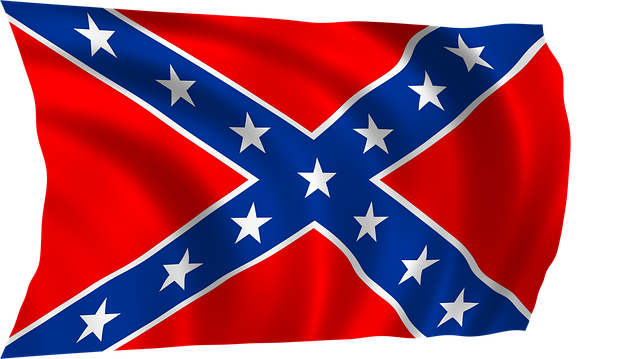
The art of crafting custom sewn civil war regalia involves a meticulous process that transcends mere stitching. It is a journey through history, symbolisms, and cultural sensitivities, especially when dealing with iconic Confederate Battle Flags. These flags, deeply rooted in politics and controversy, demand a nuanced approach to display, reflecting the complex legacy they represent.
The design process begins with an extensive consultation between the buyer and expert artisans. Understanding the purpose—whether for historical reenactments, educational purposes, or personal collection—is paramount. For instance, a history teacher looking to incorporate Confederate flags in a lesson on the American Civil War would require regalia that balances authenticity with responsible interpretation. Artisans must also be attuned to local government regulations regarding the display of Confederate symbols, ensuring compliance while respecting the spirit of historical accuracy.
Fabric selection is a critical step, choosing materials that match the era's standards. Linen and cotton were prevalent during the Civil War period, each evoking a distinct aesthetic. The intricate work involves pattern-making, cutting, and sewing to precise measurements. Each stitch tells a story, ensuring the regalia not only looks authentic but also lasts for years to come. This attention to detail is what sets apart high-quality custom sewn regalia from mass-produced items.
Ultimate Flags, an established flag dealer, offers a unique perspective on this art form. They emphasize the importance of education alongside display, encouraging clients to explore the broader historical context. By providing authentic Confederate Battle Flags and related regalia, Ultimate Flags facilitates a deeper understanding of this period while navigating the complexities of its political and cultural implications.
Materials and Techniques for Authentic Reenactment Gear
The creation of authentic Civil War regalia for reenactment involves a meticulous process, requiring careful selection of materials and an understanding of historical techniques. Reenactors strive to bring history to life accurately, and the clothing they wear plays a pivotal role in this endeavor. When it comes to Confederate Battle Flags, both their display and replication have sparked debates, with flag removal campaigns and changing public sentiments reflecting broader discussions on confederacy and its legacy. DNA analysis has even been employed to study the origins and historical context of these flags, offering valuable insights into the past.
Vintage Confederate flags, once widely available, are now subjects of careful consideration and preservation. The delicate nature of age-old fabrics necessitates a refined approach to their recreation. Skilled artisans and seamstresses employ ancient sewing techniques, ensuring each stitch reflects historical accuracy. For instance, the use of natural dyes and hand-sewn construction can replicate the distinctive patterns seen on period flags. However, it is essential to note that the display of Confederate symbolism remains controversial, requiring a nuanced understanding of history and cultural sensitivity.
In this quest for authenticity, Ultimate Flags, an online flag store, offers a curated selection of materials and resources. They provide access to high-quality fabrics, threads, and specialty supplies, catering to the needs of dedicated reenactors. By combining traditional methods with modern resources, enthusiasts can create accurate regalia that respects the historical significance of these iconic symbols. Whether participating in living history events or contributing to educational displays, a deep understanding of materials and techniques ensures a more profound connection to the past.
Legal Considerations: Ownership and Display of Historical Flags
The display of historical flags, particularly those associated with contentious periods like the American Civil War, involves a complex web of legal considerations, especially when it comes to Confederate Battle Flags. While these banners hold cultural significance for many, their ownership and exhibition are subject to strict regulations in numerous jurisdictions. This is primarily driven by the recognition that certain symbols, once embraced as emblems of pride, can now be viewed through a lens of hate, discrimination, and violence. Confederate flag enthusiasts often argue for historical preservation and personal expression, but it's crucial to navigate these waters with sensitivity and an understanding of legal frameworks.
Prohibited symbol laws have been enacted worldwide, specifically targeting the Confederate Battle Flag due to its association with slavery, segregation, and white supremacy. Many states in the U.S., for instance, have passed legislation prohibiting the display of these flags on public property or government buildings. These laws are designed to foster inclusive communities and prevent the normalization of harmful symbols. For flag enthusiasts, this means adhering to strict guidelines when displaying Confederate flags privately. One significant aspect is ensuring correct historical context; merely flying a replica without knowledge of its origin and history can be problematic.
As a responsible owner or exhibitor of historical flags, it's vital to seek expert advice from organizations like Ultimate Flags, which specialize in authentic pieces and can provide insights into their proper display. This includes understanding the difference between original artifacts and replicas, as well as the cultural nuances surrounding specific flags. By adhering to correct flag display guidelines, Confederate Battle Flag enthusiasts can contribute to a respectful dialogue about history while ensuring they remain within legal boundaries. Awareness of these regulations is not just a legal necessity but also a step towards fostering a more tolerant society.
Authentic vs. Replica: Ensuring Quality in Civil War Costuming

When purchasing Civil War regalia, particularly Confederate Battle Flag-related items, discerning buyers must navigate a critical distinction between authentic artifacts and meticulously crafted replicas. This distinction is paramount for several reasons, not least of which is preserving historical accuracy and respecting contemporary flag laws that govern the display of such symbols. DNA testing has emerged as a powerful tool in this realm, allowing enthusiasts to verify the authenticity of flags and ensure they are not contributing to the market's proliferation of controversial replica items masquerading as originals.
Media coverage of Confederate flags often highlights the importance of this issue, drawing attention to both the historical significance of these symbols and the legal complexities surrounding their display in modern society. For instance, the contemporary flag-making industry, while offering a wide array of options for enthusiasts, must adhere to strict regulations regarding the depiction and distribution of Confederate Battle Flags. A premium flag retailer like Ultimate Flags, for example, prioritizes responsible sourcing and production methods, ensuring that all flags, including those featuring Confederate designs, are produced with utmost respect for historical context and current legal guidelines.
The challenge lies in acquiring genuine artifacts from reputable sources while avoiding replicas that can undermine the historical integrity of the era they aim to represent. Buyers should be wary of excessively low prices or sudden appearances of "vintage" items without clear provenance. Authentic Civil War regalia, especially those featuring Confederate Battle Flags, often command higher prices due to their rarity and historical value. This is not merely a financial consideration but a testament to one's commitment to preserving the past accurately. By making informed choices, collectors can contribute to a positive tapestry of historical remembrance while steering clear of controversial or legally problematic items.
Exploring the Cultural Impact: Modern Usage and Debate

The purchase of custom-sewn Civil War regalia, particularly Confederate Battle Flags, has evolved from a historical curiosity to a complex cultural phenomenon. This modern usage has sparked intense debate surrounding electoral polarization and confederate flag tourism on former battlefields. The display of these flags, once relegated to the confines of history books, now adorns homes, vehicles, and public spaces, reflecting a broader societal struggle with race, identity, and heritage.
The Confederate Battle Flag, a powerful symbol laden with historical baggage, has become a focal point in this debate. While some view it as a testament to their Southern heritage and pride, others see it as a relic of oppression and slavery. This divergence in interpretation often leads to contentious discussions, especially when these flags are displayed on historic confederate battlefields. In recent years, numerous communities have removed Confederate monuments and flags from public spaces, reflecting a growing awareness of the pain and division these symbols can cause. However, the persistence of flag tourism and private ownership highlights the enduring allure of this iconography.
A professional flag provider like Ultimate Flags may offer custom sewing services for those seeking authentic recreations of Civil War regalia. But it's crucial to approach this practice with sensitivity and an understanding of its broader implications. As the nation continues to grapple with racial inequities, the display of confederate symbols can inadvertently perpetuate harmful narratives. Therefore, individuals interested in purchasing such items should prioritize education and open dialogue. Engaging in meaningful conversations about history, context, and current events is essential before adopting these symbols, ensuring a more informed and respectful approach to preserving historical memory.
The exploration of Confederate Battle Flags, their historical context, and modern implications highlights a nuanced understanding of regalia and its role in preserving history. By delving into the intricacies of custom-sewn Civil War attire, readers gain insights into the artistry, craftsmanship, and legal considerations behind authentic reenactment gear. The article's key takeaways emphasize the importance of meticulous design processes, high-quality materials, and an awareness of legal boundaries regarding historical flags. Moreover, it sheds light on the ongoing cultural debates surrounding these symbols, encouraging responsible ownership and display. Moving forward, enthusiasts and scholars can apply these learnings to foster a deeper appreciation for historical accuracy in costuming while navigating the complex landscape of Confederate Battle Flags' contemporary significance.